laptopedia

Side-by-side specification comparison of two reference models

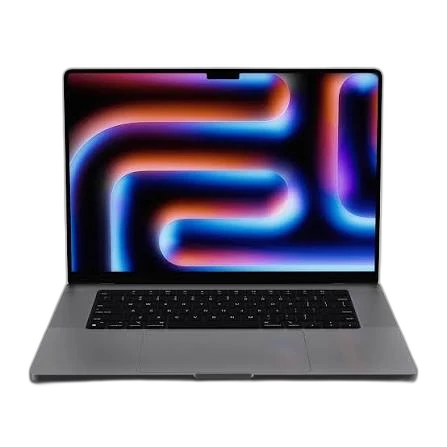
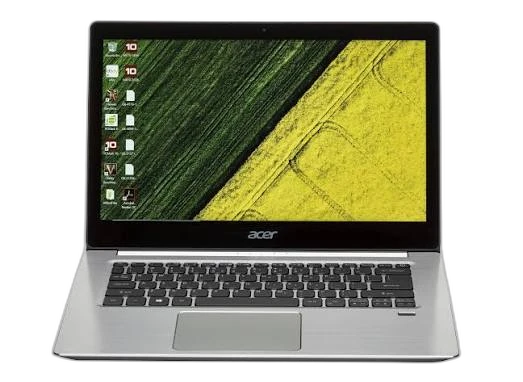
⁦Compare MacBook Pro 16 vs Swift 3 SF314-52⁩

A full side-by-side comparison of reference models MacBook Pro 16 and Swift 3 SF314-52 within the same category.

Reference model ⁦Apple MacBook Pro 16⁩

⁦MacBook Pro 16⁩

Apple

Not for sale

View model
Reference model ⁦Acer Swift 3 SF314-52⁩

⁦Swift 3 SF314-52⁩

Acer

Not for sale

View model

Specifications

Side-by-side specification comparison of two reference models

Specification ⁦MacBook Pro 16⁩ ⁦Swift 3 SF314-52⁩
Price Not for sale Not for sale
General
Brand Apple Acer
Product Family MacBook Swift
Model ⁦MacBook Pro 16⁩ ⁦Swift 3 SF314-52⁩
Model Number — ⁦SF314-52⁩
Launch Year ⁦2024 year⁩ ⁦2018 year⁩
Form Factor Clamshell Clamshell
Laptop Category Professional Premium / Ultraportable
Operating System macOS ⁦Windows 10⁩
Operating System Architecture ⁦64-bit⁩ ⁦64-bit⁩
Processor
Processor Manufacturer Apple Intel
Processor Family ⁦Apple M4 Max⁩ ⁦Intel Core i5⁩
Processor Model ⁦M4 Max⁩ ⁦Intel Core i5 8250U 1.6GHz⁩
Processor Generation ⁦Apple M4 family⁩ ⁦8th Gen⁩
CPU Architecture ⁦ARM64⁩ ⁦x86-64⁩
CPU Process Node ⁦3 nm⁩ ⁦14 nm⁩
CPU Cores ⁦16 cores⁩ ⁦4 cores⁩
Performance Cores ⁦12 cores⁩ —
Efficiency Cores ⁦4 cores⁩ ⁦0 cores⁩
CPU Threads — ⁦8 threads⁩
CPU Base Clock — ⁦1.6 GHz⁩
CPU Max Boost Clock — ⁦3.4 GHz⁩
L3 Cache — ⁦6 MB⁩
Processor Base Power — ⁦15 W⁩
AI / NPU
NPU Yes —
NPU Model Apple Neural Engine —
Platform AI Performance — ⁦0 TOPS⁩
Graphics
Graphics Type Integrated Integrated
GPU Manufacturer Apple Intel
GPU Model ⁦Apple M4 Max 40-core GPU⁩ ⁦Intel UHD Graphics 620⁩
VRAM Capacity ⁦0 GB⁩ ⁦0 GB⁩
VRAM Type Shared system memory Shared system memory
GPU TGP — ⁦0 W⁩
Maximum External Displays ⁦4 displays⁩ ⁦2 displays⁩
Maximum External Resolution ⁦Up to 8K @ 60Hz or 4K @ 240Hz⁩ ⁦3840 x 2160 @ 30 Hz⁩
Memory
Installed Memory ⁦48 GB⁩ ⁦8 GB⁩
Maximum Memory ⁦128 GB⁩ ⁦20 GB⁩
Memory Type Unified Memory ⁦DDR4 SDRAM⁩
Memory Speed — ⁦2133 MT/s⁩
Memory Form Factor On-package Onboard + SO-DIMM
Memory Slots ⁦0 slots⁩ ⁦1 slots⁩
Memory Slots Used ⁦0 slots⁩ ⁦1 slots⁩
Memory Upgradeable No Yes
Memory Channels — Dual-channel
Storage
Primary Storage Type SSD SSD
Storage Capacity ⁦1024 GB⁩ ⁦256 GB⁩
Storage Interface — ⁦SATA 6 Gb/s⁩
Storage Form Factor — ⁦M.2 2280⁩
Installed Storage Drives ⁦1 drives⁩ ⁦1 drives⁩
Maximum Storage Drives — ⁦1 drives⁩
M.2 Storage Slots — ⁦1 slots⁩
Card Reader Yes Yes
Card Reader Formats SDXC SD; SDHC; SDXC
Card Reader Standard SDXC —
Display
Display Size ⁦16.2 inch⁩ ⁦14 inch⁩
Display Resolution ⁦3456 x 2234⁩ ⁦1920 x 1080⁩
Resolution Class ⁦3.5K⁩ FHD
Display Technology Mini-LED IPS LCD
Panel Type Liquid Retina XDR IPS
Refresh Rate ⁦120 Hz⁩ ⁦60 Hz⁩
Variable Refresh Rate Yes —
VRR Range ⁦ProMotion up to 120 Hz; fixed 47.95–60 Hz Hz⁩ —
Display Brightness ⁦1000 nits⁩ —
Peak HDR Brightness ⁦1600 nits⁩ —
DCI-P3 Color Gamut 100 % —
Color Depth ⁦10-bit⁩ —
Contrast Ratio 1000000:1 —
Aspect Ratio — 16:9
Display Finish — Anti-glare
HDR Support Yes —
Dolby Vision Yes —
Adaptive Sync Technology ProMotion —
Camera & Biometrics
Webcam Resolution ⁦12MP⁩ ⁦720p HD⁩
Webcam Frame Rate — ⁦30 fps⁩
Fingerprint Reader Yes Yes
Fingerprint Reader Location Keyboard (Touch ID) Touchpad
Camera Features Center Stage; Desk View; computational video Fixed-focus RGB webcam
Audio
Speaker Configuration ⁦6-speaker system⁩ Stereo speakers
Audio Technology Spatial Audio, Dolby Atmos Acer TrueHarmony
Microphone Configuration ⁦3-mic studio-quality array⁩ Dual-array microphone
Audio Jack Yes Yes
Keyboard & Input
Keyboard Type Backlit Magic Keyboard Compact keyboard
Keyboard Backlight Yes Yes
Keyboard RGB Zones — —
Touchpad Type Force Touch Multi-touch touchpad
Wireless & Networking
Wi-Fi Standard ⁦Wi-Fi 6E⁩ ⁦Wi-Fi 5⁩
Wi-Fi IEEE Standard ⁦802.11ax⁩ ⁦IEEE 802.11ac⁩
Wi-Fi Bands ⁦2.4 GHz, 5 GHz, 6 GHz⁩ ⁦2.4 GHz; 5 GHz⁩
Wi-Fi Spatial Streams — ⁦2x2⁩
Bluetooth Version 5.3 ⁦Bluetooth 4.1⁩
WWAN No —
Ports & Expansion
USB Type-A Port Count ⁦0 ports⁩ ⁦2 ports⁩
USB Type-A Specifications — ⁦USB 3.0; USB 2.0⁩
USB Type-C Port Count ⁦3 ports⁩ ⁦1 ports⁩
USB Type-C Specifications ⁦Thunderbolt 5 / USB4 / charging / DisplayPort⁩ ⁦USB 3.1 Gen 1⁩
USB4 Port Count ⁦3 ports⁩ ⁦0 ports⁩
USB4 Speed ⁦120 Gbps⁩ —
Thunderbolt Port Count ⁦3 ports⁩ ⁦0 ports⁩
Thunderbolt Version ⁦Thunderbolt 5⁩ —
HDMI Port Count ⁦1 ports⁩ ⁦1 ports⁩
DisplayPort Output DisplayPort over USB-C —
RJ-45 Port Count ⁦0 ports⁩ ⁦0 ports⁩
3.5 mm Audio Combo Port Count ⁦1 ports⁩ ⁦1 ports⁩
SD Card Slot Count ⁦1 ports⁩ ⁦1 ports⁩
microSD Card Slot Count ⁦0 ports⁩ —
Smart Card Reader No —
Security Lock Slot — Yes
Internal PCIe Slots — —
Battery & Power
Battery Capacity ⁦100 Wh⁩ ⁦48 Wh⁩
Battery Cells — ⁦4 cells⁩
Battery Chemistry Li-polymer Lithium-ion
Battery Life ⁦21 hours⁩ ⁦10 hours⁩
Battery Life Test Method Video streaming —
Fast Charging Yes —
Fast Charge Level 50 % —
Fast Charge Time ⁦30 min⁩ —
Power Adapter ⁦140 W⁩ ⁦45 W⁩
Power Connector ⁦MagSafe 3⁩ Barrel connector
USB-C Charging Yes —
Maximum USB-C Charging Power ⁦140 W⁩ —
Dimensions & Build
Width ⁦355.7 mm⁩ ⁦338 mm⁩
Depth ⁦248.1 mm⁩ ⁦234 mm⁩
Thickness ⁦16.8 mm⁩ ⁦17.9 mm⁩
Weight ⁦2.15 kg⁩ ⁦1.6 kg⁩
Chassis Material Aluminum Aluminum
Lid Material Aluminum —
Base Material Aluminum —
Hinge Opening Angle — ⁦180 degree⁩
IP Rating — Not rated
Security & Manageability
TPM — ⁦Firmware TPM 2.0⁩
BIOS / UEFI Password Support — Yes
Drive Password Support — Yes
Secure Boot Yes Yes
Enterprise Manageability — —
Smart Card Support — —
BIOS Recovery / Self-Healing — Standard BIOS recovery
Sensors
Ambient Light Sensor Yes —
Hall Sensor — Yes
Certifications & Sustainability
ENERGY STAR ENERGY STAR —
EPEAT EPEAT Gold (US and Canada) —
RoHS Compliance Yes Yes
Recycled Materials ⁦40% recycled content; 100% recycled aluminum enclosure⁩ —
Product Carbon Footprint ⁦303 kg CO2e⁩ —
Environment & Warranty
Operating Temperature — ⁦5–35 °C °C⁩
Operating Humidity — ⁦20–80% RH, non-condensing % RH⁩
Storage Temperature — ⁦-20–60 °C °C⁩
Warranty ⁦1 years⁩ ⁦1 years⁩
Warranty Type Apple One-Year Limited Warranty Limited warranty

Summary: Which Product Should You Choose?

Choose MacBook Pro 16 if you need:

  • Processor Model at ⁦M4 Max⁩ (vs ⁦Intel Core i5 8250U 1.6GHz⁩)
  • GPU Model at ⁦Apple M4 Max 40-core GPU⁩ (vs ⁦Intel UHD Graphics 620⁩)
  • Installed Memory at ⁦48 GB⁩ (vs ⁦8 GB⁩)
  • Storage Capacity at ⁦1024 GB⁩ (vs ⁦256 GB⁩)

Choose Swift 3 SF314-52 if you need:

  • Processor Model at ⁦Intel Core i5 8250U 1.6GHz⁩ (vs ⁦M4 Max⁩)
  • GPU Model at ⁦Intel UHD Graphics 620⁩ (vs ⁦Apple M4 Max 40-core GPU⁩)
  • Installed Memory at ⁦8 GB⁩ (vs ⁦48 GB⁩)
  • Storage Capacity at ⁦256 GB⁩ (vs ⁦1024 GB⁩)

Overall, choosing between MacBook Pro 16 and Swift 3 SF314-52 depends on your use case and which specs matter most. They share Form Factor (Clamshell) and Operating System Architecture (⁦64-bit⁩). They differ mainly on Processor Model. Review the differences above, choose by your priorities, and confirm availability before buying.

What is the difference between MacBook Pro 16 and Swift 3 SF314-52?

MacBook Pro 16 and Swift 3 SF314-52 share specifications such as Form Factor (Clamshell), Operating System Architecture (⁦64-bit⁩), Graphics Type (Integrated), VRAM Capacity (⁦0 GB⁩).

The main differences: Processor Model (MacBook Pro 16: ⁦M4 Max⁩, Swift 3 SF314-52: ⁦Intel Core i5 8250U 1.6GHz⁩); GPU Model (MacBook Pro 16: ⁦Apple M4 Max 40-core GPU⁩, Swift 3 SF314-52: ⁦Intel UHD Graphics 620⁩); Installed Memory (MacBook Pro 16: ⁦48 GB⁩, Swift 3 SF314-52: ⁦8 GB⁩); Storage Capacity (MacBook Pro 16: ⁦1024 GB⁩, Swift 3 SF314-52: ⁦256 GB⁩).

MacBook Pro 16 may suit users who need its differing values, while Swift 3 SF314-52 benefits those who need its paired strengths. Review the specs table above before deciding.